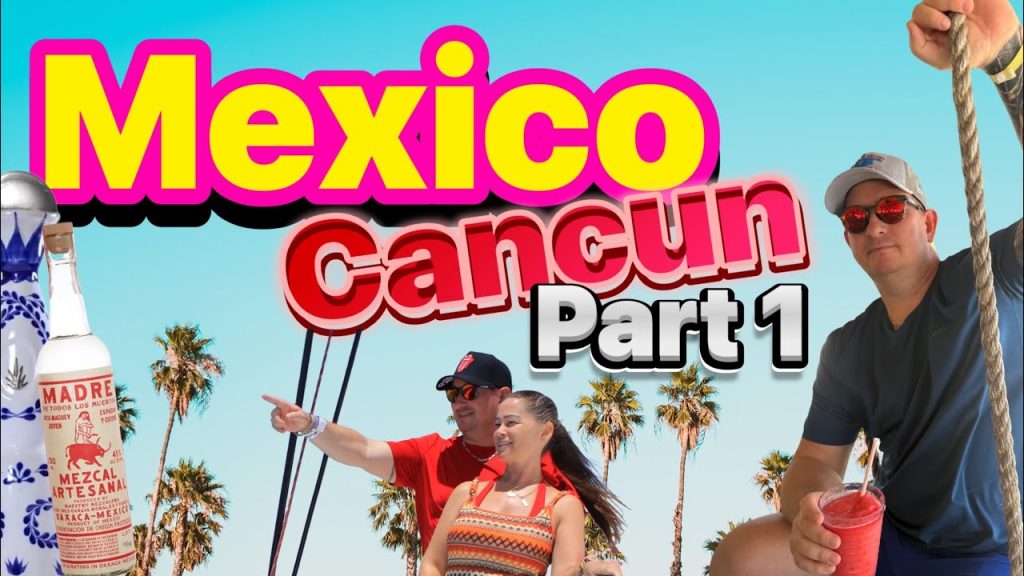
While Cancun is famous for its turquoise waters and tequila, we decided to dive into something a bit sweeter: The Art of Mexican Chocolate. We spent an afternoon with Master Chocolatier Joanna, and it’s safe to say we’ll never look at a chocolate bar the same way again!
One of the first things we learned is that Cocoa is the raw material, and Chocolate is the final product.
The cocoa fruit (Theobroma cacao) is fascinating—the pods grow directly on the trunk of the tree! Inside each pod, there are 40 to 50 beans covered in a sweet, tropical white pulp called mucilage. We actually got to taste the pulp, and it’s surprisingly like a mix of lychee and banana.
The process of turning beans into that smooth, velvety liquid we love involves a machine called a Melanger.
It uses friction to grind the cocoa nibs, cocoa butter, and sugar for two full days. This friction creates natural heat, ensuring the texture becomes perfectly smooth without any lumps.
We were introduced to the three heavyweights of the cocoa world:
Criollo (The Legend): Our personal favourite! It’s the rarest bean, grown in Tabasco, Mexico. It’s fruity, floral, and perfect for high-quality dark chocolate.
Forastero: From Africa, this bean accounts for 80% of the world’s production. It’s the “commercial” bean—bitter and sour.
Trinitario: A hybrid from Venezuela, ideal for smooth milk chocolate.
This was the messy part! To make a chocolate bar crunchy and shiny, you have to “temper” it. This involves playing with temperatures:
- Heating it to 35°C.
- Cooling it down to 26°C on a cold table (this is where the molecules crystallise).
- Heating it back up slightly to 28°C for pouring.
If you don’t do this correctly, the chocolate stays liquid or becomes soft and dull. We even got to pipe our own bars—Amy was a pro, but I think I put a bit too much in mine!
Did you know your tongue is a map of flavours?
Sweet: Tip of the tongue.
Salty: Front sides.
Sour: Back sides.
Bitter: Very back.
Umami: Right in the middle.
We tasted everything from 80% Dark (which was surprisingly fruity because the trees in Tabasco grow near mangoes) to a unique Mezcal Caramel Chocolate that was smoky and salty.
Before the Spanish added milk and sugar, the Mayans and Aztecs drank Xocolatl. It was a spicy, bitter drink made with water, corn, vanilla, and chilli. It was considered a sacred gift from the gods and was even used as currency!
We walked away with our own handmade bars, a “Master Chocolatier” certificate, and a lot of respect for the process. If you’re in Cancun, skip the gift shop bars and go make your own—it’s educational, delicious, and a lot of fun.